UK Government launches £15bn Warm Homes Plan – Here's what it means for you

The UK government has today launched the Warm Homes Plan, committing £15 billion to upgrade homes across the country, cut energy bills and tackle fuel poverty. It is the largest public investment in home energy upgrades in British history and is set to shape the future of residential energy in the UK for the rest of the decade.
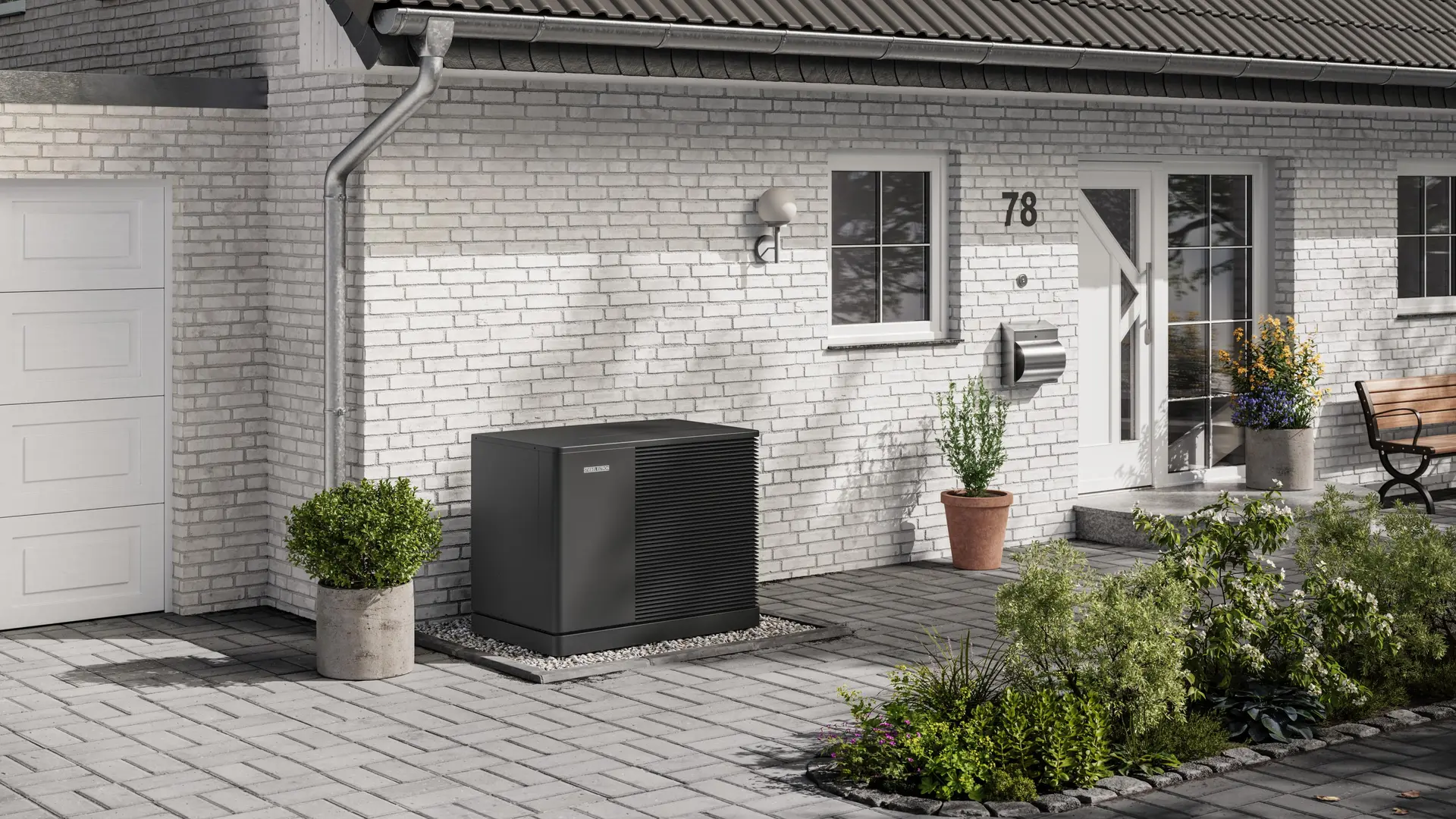
The plan aims to support upgrades in up to five million homes by 2030, helping households reduce long-term energy costs while lifting up to one million families out of fuel poverty. Measures will include support for solar panels, battery storage, heat pumps and insulation, alongside reforms affecting new-build homes, renters and social housing.
For Solarwatt and the wider installer community, the announcement marks a significant shift towards integrated, system-led home energy solutions.
For installers, the Warm Homes Plan is expected to drive:
- Increased demand as upfront costs fall for households
- A move away from single-technology installs towards joined-up systems
- Longer-term, more stable pipelines rather than short-lived scheme demand
- Greater emphasis on system performance, optimisation and customer outcomes
While some headlines focus on the ambition of "zero-bill homes", the reality for most households will be significantly lower bills, improved comfort and greater control over energy use. Delivering those outcomes depends on quality design, installation and commissioning - areas where experienced installers play a central role.

Solar, storage and smart energy management.
As electricity tariffs become more dynamic, how energy is managed is becoming just as important as how it is generated. Solar and battery systems increasingly need to work alongside smart controls that can respond to time-of-use pricing and household demand.
This brings Home Energy Management Systems (HEMS) into sharper focus. By intelligently coordinating generation, storage, heating and grid interaction, installers can help homeowners:
- Maximise self-consumption of solar energy
- Reduce imports during peak-price periods
- Improve system payback and long-term value
- Gain clearer insight and control over energy use
What happens next
Further detail on eligibility, delivery models and installer participation is expected in the coming months. While “zero-bill” homes may remain out of reach for many properties, the direction of travel is clear.
Smarter, cleaner and more affordable home energy is moving into the mainstream - and installers will be at the heart of turning this policy into real-world outcomes for households across the UK.