Warm Homes Plan

There’s been a lot of attention across the energy sector following the government’s announcement of the £15 billion Warm Homes Plan, a major programme aimed at upgrading homes across the UK. The policy is expected to have a significant impact on how residential energy systems are designed, installed and managed — and on the installers delivering that work.
The funding, spread over the next four years, is designed to help households cut carbon emissions and lower energy bills through grants and subsidies. That means increased support for insulation, low-carbon heating, solar PV, battery storage and smart energy technologies — all areas where skilled installers are central to success.
For companies like Solarwatt, and for the installer community more broadly, this growing focus on clean, home-grown energy feels like a long-awaited step in the right direction.
Why this matters on the ground
Energy bills remain a major concern for homeowners, and demand for solar and storage continues to grow. For installers, the Warm Homes Fund could translate into:
- Higher enquiry volumes as upfront costs fall
- A move away from single technology installs towards integrated systems
- More stable pipelines rather than stop-start scheme demand
- Greater focus on system performance, optimisation and long-term value
Solar paired with battery storage remains one of the most effective ways for households to take control of their energy — generating electricity during the day and using it later when prices peak.
A note on “zero-bill” homes
Some headlines suggest the ambition is to create “zero-bill” homes. While it’s a compelling narrative, installers know the reality is more nuanced.
Achieving genuinely zero bills depends on:
- Property type and roof space
- Household demand patterns
- Seasonal generation and weather
- The balance between PV, storage, heating and control
For many properties — particularly older housing stock — the realistic outcome will be significantly lower bills rather than none at all. Setting clear, honest expectations will remain critical.
Heat Pump + Solar PV + Smart Optimisation
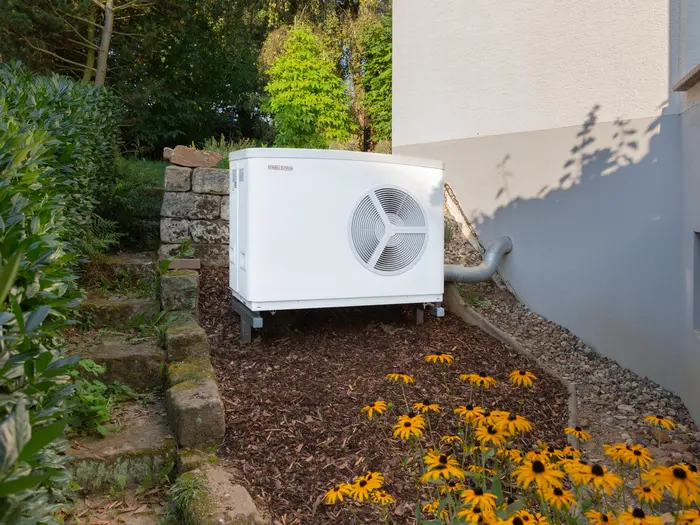
Heat Pump + Solar PV + Smart Optimisation
Maximum savings can be unlocked when a heat pump programmed to operate as efficiently as possible with respect to generated and stored solar power. SOLARWATT and STIEBEL ELTRON offer this through a smart combination of clean heating, battery storage, and solar PV generation.
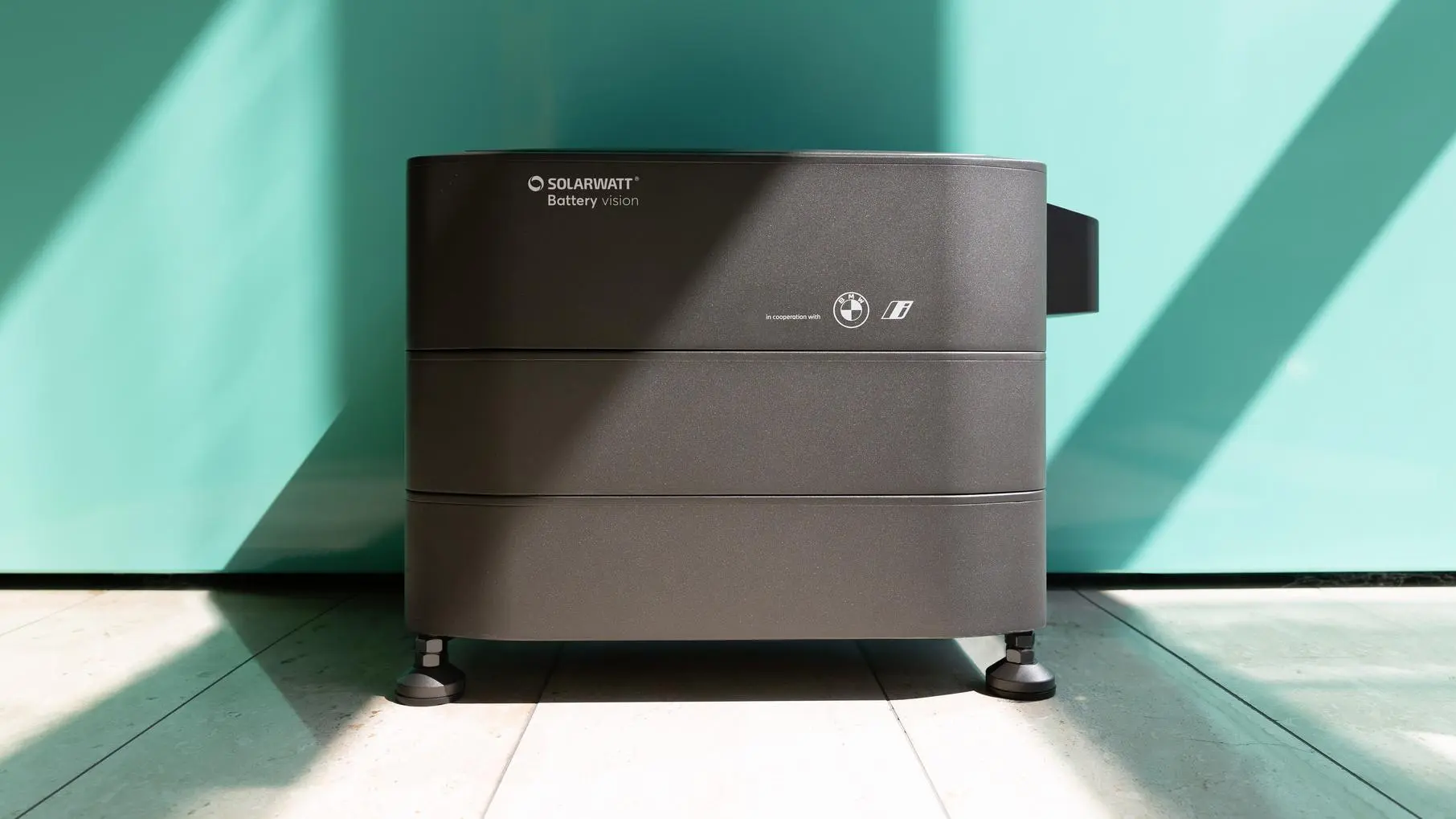
Solar, storage and smart tariff management
As electricity tariffs become more dynamic, how energy is managed is becoming just as important as how it’s generated.
Time-of-use and variable tariffs can offer real savings — but only if systems are smart enough to respond to them. This is where Solarwatt’s Home Energy Management approach comes into focus. By intelligently managing when energy is stored, used or imported from the grid, systems can:
- Charge batteries when electricity is cheapest
- Prioritise self-generated solar energy
- Reduce grid imports during peak-price periods
- Improve overall system payback for homeowners
For installers, this adds an extra layer of value to battery installs, helping customers benefit not just from solar generation, but from active tariff optimisation — without constant manual intervention.
The role of HEMS and installer expertise
As funding supports multi-technology installs, installers will increasingly be asked not just to fit hardware, but to deliver joined-up systems that work intelligently together.
This brings Home Energy Management Systems (HEMS) firmly into focus. Integrating PV, batteries, heating and tariff signals into a single control layer allows homeowners to:
- See where their energy is coming from
- Understand how and when it’s being used
- Gain more control over costs and comfort
Experienced independent installers are well placed to deliver this system-led approach, combining design expertise with long-term customer relationships.
The importance of SMEs and independents
One key question is how inclusive the Warm Homes Plan will be. For it to succeed at scale, SMEs and independent installers need to be fully recognised as stakeholders, rather than the programme becoming dominated by large utilities or national providers.
Local installers bring:
- Property-specific design knowledge
- Flexibility across technologies
- Trusted customer relationships
- Ongoing service and optimisation
If implemented well, the Warm Homes Plan could act as a blueprint for a more balanced market, where quality installation, system intelligence and customer outcomes matter as much as deployment numbers.
What happens next?
The Warm Homes Plan was formally launched in January 2026, confirming £15 billion public investment to upgrade up to 5 million homes by 2030, with solar panels, battery storage, heat pumps and insulation identified as core technologies within the programme.
The announcement confirmed three main delivery areas:
- Direct support for low-income households, including fully funded upgrade packages where appropriate
- A government-backed loan offer to help homeowners install solar panels, battery storage and other clean energy technologies.
- New build standards, with solar panels expected to become standard on new homes under the Future Homes Standard from 2026.
Further detail is still expected on how schemes will operate in practice, including installer participation, delivery routes and application processes for homeowners.
As implementation progresses, solar PV, battery storage and Home Energy Management Systems (HEMS) are expected to play an increasingly important role in helping households reduce energy costs and manage their energy use more effectively.
Solarwatt will continue to monitor developments and update this page as more information becomes available.
Installer takeaway
The Warm Homes Plan signals a long-term shift toward integrated home energy upgrades at scale. Solar PV, battery storage and smart energy management are expected to play a central role in helping households reduce bills and improve energy independence.
For installers, the programme is likely to mean:
- Growing demand for solar + battery installations
- More projects involving multi-technology system design
- Increased importance of Home Energy Management Systems (HEMS)
- Opportunities across retrofit, social housing and new-build projects
While delivery details are still emerging, the direction of travel is clear: installers who can deliver well-designed, intelligent home energy systems will be well positioned as the Warm Homes Plan rolls out over the coming years.
(*Updated Feb 2026)